Table Talk in the Basin: Five Unfiltered Perspectives on Where the Bakken Goes From Here

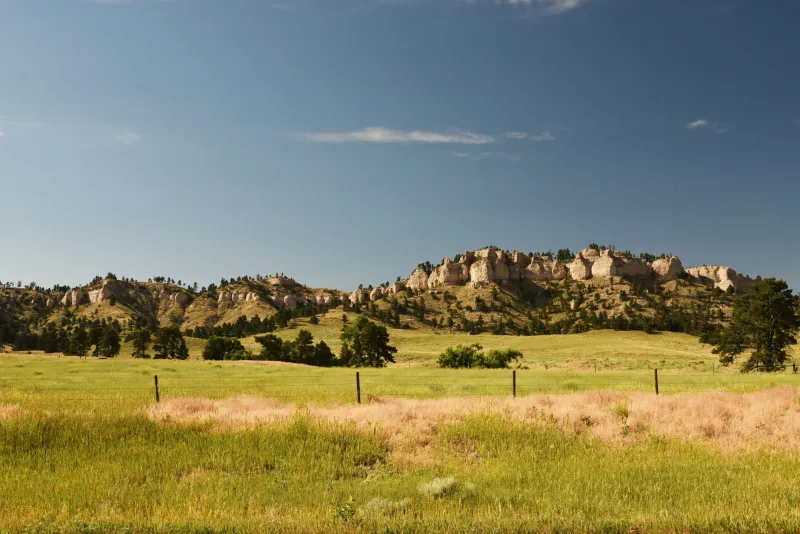
Photo: Gannu03, CC BY-SA 4.0, via Wikimedia Commons
Every quarter, the Bakken produces a mountain of data: rig counts, production tables, royalty statements, pipeline utilization figures. But the basin's sharpest observers will tell you the real intelligence is exchanged differently—over steak in Dickinson, over coffee in Watford City, over a late shift-change meal in Williston.
We listened. Here is what five people, who almost never share a stage but share a zip code, had to say.
The Roughneck: "Train Us for What's Next"
A twelve-year veteran of the patch put it plainly: the work is changing faster than the training. Automation has thinned crews, and the jobs that remain demand more technical skill. "I can run equipment," he said. "What I can't get is a clear answer on what I should be learning next."
The takeaway for executives: Workforce development is no longer an HR function—it's a retention strategy. Companies that fund certifications and articulate a skills pathway will keep the crews everyone else is poaching.
The Rancher: "We're Neighbors, Not Obstacles"
A third-generation rancher outside McKenzie County described the relationship with operators as improved but fragile. Roads get fixed faster than they used to. Communication is better. But trust, he noted, is rebuilt in inches and lost in yards—usually over a single unanswered phone call about a water crossing.
The takeaway: Surface relationships are a leading indicator of operational friction. Operators who assign real accountability to landowner communication prevent the small disputes that become costly ones.
The Mayor: "Plan for the Trough, Not the Peak"
A city leader in one of the basin's boomtowns was blunt about municipal finance. Boom-era revenue built excellent infrastructure; the challenge is maintaining it through the troughs. Her ask of the industry was consistency: predictable activity, even at lower volumes, beats whiplash.
The takeaway: Long-term operators who coordinate their local hiring and housing plans with city governments buy themselves goodwill that pays off during the next permitting crunch.
The Geologist: "The Easy Barrels Are Gone—That's Good News for the Curious"
A basin geologist argued that the Bakken's technical frontier—enhanced recovery, refracs, better seismic interpretation—is where the next decade gets won. The constraint isn't the rock, she insisted. It's the industry's appetite to fund experimentation when quick returns are scarce.
The takeaway: Capital allocators who treat subsurface innovation as a portfolio rather than a gamble will own the low-cost barrels of 2030.
The Chef: "Feed Them and They Will Stay"
A restaurant owner in Dickinson offered perhaps the most practical observation of all. When activity is strong, her dining room is full by six; when it slows, she knows before the state's numbers do. Her business survives by serving everyone—rig hands, landmen, visiting executives—at the same counter.
The takeaway: The basin's social infrastructure is its own economic indicator, and its gathering places are where cross-sector relationships actually form.
The Common Thread
Five voices, five different vantage points, one shared conclusion: the Bakken's future will be negotiated in relationships as much as in reserves. The best conference programming in this basin won't just present data. It will put a roughneck, a rancher, a mayor, a geologist, and yes, a chef, in the same room—and let the region think out loud.