When the Gavel Pounds, the Griddle Sizzles: Williston's Hidden Event Economy
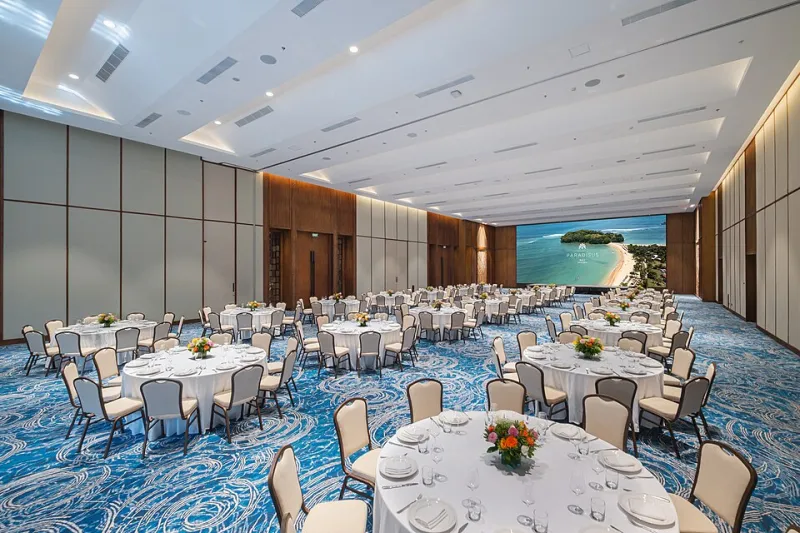
Photo: Paradisus Bali, CC BY-SA 4.0, via Wikimedia Commons
The Business You Never See
Walk into any Bakken industry gathering and you'll notice the obvious: the keynote stage, the exhibitor booths, the name badges. What you won't notice is the second economy operating just out of frame—the one run out of storefronts along Williston's main corridors, where a single multi-day energy conference can account for a meaningful share of an entire year's revenue.
Consider the catering operation that books eleven months in advance around the regional energy calendar. Or the print shop that keeps a standing template for last-minute signage because, as one owner put it, 'nobody in oil and gas ever orders banners early.' These businesses aren't ancillary to the conference ecosystem. In many cases, they are the reason a hub town can host one at all.
Building a Year on Sixty Busy Days
The arithmetic of the event economy is unforgiving. A restaurant near the convention corridor might see normal weekday traffic for most of the year, then absorb a flood of thirty-to-sixty-person corporate dinners during conference season. Staffing, inventory, and even equipment leases are often structured around those peaks.
Several Williston-area entrepreneurs describe a deliberate strategy: charge full price during peak windows, run lean during the troughs, and never, under any circumstances, double-book a winter weekend. One caterer explained that she turns down weddings in January and February outright—not out of preference, but because energy-sector events pay better and book earlier.
The supporting cast extends well beyond food. Ground transportation operators build their fleet schedules around arrival surges at the regional airport. Local hotels, covered extensively in our previous coverage of Williston's hospitality strip, anchor the ecosystem, but they depend on the same constellation of vendors that visitors never think about: florists, AV technicians, shuttle drivers, and the print shop that can turn around 200 programs overnight.
When the Travel Budget Tightens
The vulnerability of this model became clear during past downturns, when corporate travel policies tightened almost overnight. Industry gatherings were postponed or shrunk, and the vendors who depended on them felt the contraction within weeks—faster than service companies felt it in drilling activity.
'The rig count goes down and people assume the pain is out at the wellsite,' one business owner told us. 'But we see it first. A company cancels its December event in October, and that's a five-figure hole in my quarter.'
The entrepreneurs who survived the lean years share a common trait: diversification across customer types. The most resilient operations serve energy events, agricultural meetings, government functions, and private celebrations simultaneously, so no single industry's budget cycle can sink them.
What Operators Should Know Before Booking
For executives deciding where to host their next gathering, the health of the local vendor ecosystem should factor into the decision more than it usually does. A destination with deep, experienced event support can absorb surprises—a delayed flight, a last-minute headcount change, a broken projector—without derailing the program. A thin vendor market cannot.
Practical questions worth asking any host venue:
- Which local caterers hold health certifications and event insurance, and how far out are they booked?
- Is there same-day printing capability within a reasonable distance?
- Can ground transportation scale up for a 300-person arrival wave?
- What is the town's track record during previous industry downturns?
The Offstage Stakeholders
There's a broader point beneath the logistics. The small businesses that sustain conference season are stakeholders in the Bakken's future, even though they hold no leases and drill no wells. When operators invest in the communities that host their gatherings—by booking local, paying promptly, and committing early—they are strengthening the very infrastructure that makes regional convening possible.
The ballroom economy is easy to overlook precisely because it works so well. But the next time a keynote concludes on schedule, the coffee arrives hot, and the shuttle is waiting outside, it's worth remembering: that outcome was months in the making, by people whose entire business model depends on getting the invisible details right.