The Cold-Weather Advantage: Why the Bakken's Best Conference Season Is January, Not July
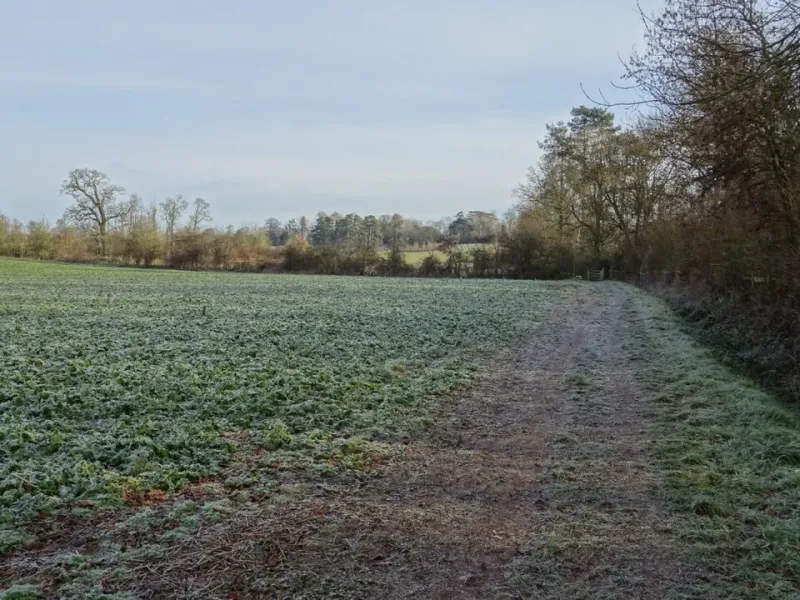
Photo: Philip Halling , CC BY-SA 2.0, via Wikimedia Commons
Here is a heretical thought for basin event planners: the Bakken's premier gathering should happen when the wind chill is minus twenty.
The instinct to schedule around summer is understandable. Warm months are pleasant, roads are clear, and nobody complains about the venue. But pleasant is not the same as productive. If the goal of a Bakken conference is access—to decision-makers, to their attention, and to their planning calendars—then winter is not the season to avoid. It is the season to own.
Winter Is When the Decisions Get Made
Consider how the basin actually operates. By late fall, fieldwork has slowed. Frac fleets have thinned. Capital budgets for the coming year are being finalized in boardrooms and kitchen tables across the region. January through March is when operators decide which acreage gets drilled, which service contracts get renewed, and which new technologies get a pilot budget.
A conference held in that window is not a detour from the industry's work—it is embedded in it. Attendees arrive with live decisions on their desks. Vendors demonstrate to buyers who are actively allocating. Compare that to a July event, where budgets are spent, rigs are running full tilt, and every key operator is a phone call away from a wellsite emergency.
The Scheduling Math Favors the Cold
There is also a simpler reality: in winter, the basin's leaders are actually available. Summer competes with haying, family vacations, peak drilling, and a dozen other regional events. Winter competes with, well, staying warm. A well-run February summit in Williston or Minot faces less calendar competition than any summer gathering—and a captive, focused audience as a result.
Travel economics help too. Hotel rates in the basin's cold months are a fraction of peak-season pricing, and winter flights into Minot and Williston are easier to book than summer ones. For companies sending five or ten people, the difference is real money that can be redirected into sponsorships, additional attendees, or booth investment.
What a Bold Winter Calendar Looks Like
A serious winter conference season for the Bakken might include:
- A January capital outlook summit timed to budget finalization, pairing operators with service providers and midstream partners before contracts lock in.
- A February technology and subsurface showcase, when technical teams have bandwidth to evaluate enhanced-recovery pilots and new completions approaches.
- A March workforce and community forum, aligned with spring hiring cycles and municipal planning calendars.
Each event should lean into the season rather than apologize for it. Short field windows, indoor demonstrations, and evening programming built around the basin's restaurants and hotels. The cold becomes part of the identity, not a liability.
Why Warmer Basins Can't Copy It
Here is the strategic kicker: the Permian and the Gulf Coast cannot replicate this advantage. In warm-weather basins, fieldwork never stops, and winter offers no natural pause in the industry's attention. The Bakken's climate, long treated as its greatest handicap, creates a seasonal rhythm that concentrates decision-making power in a few concentrated months.
The regions that thrive in energy are the ones that turn their constraints into institutions. The Bakken's cold is a constraint. A winter conference calendar is how it becomes a moat. Pack a parka. The best room in the basin is waiting.