When the Rigs Went Home: Five Prairie Towns and the Lessons They Left Behind

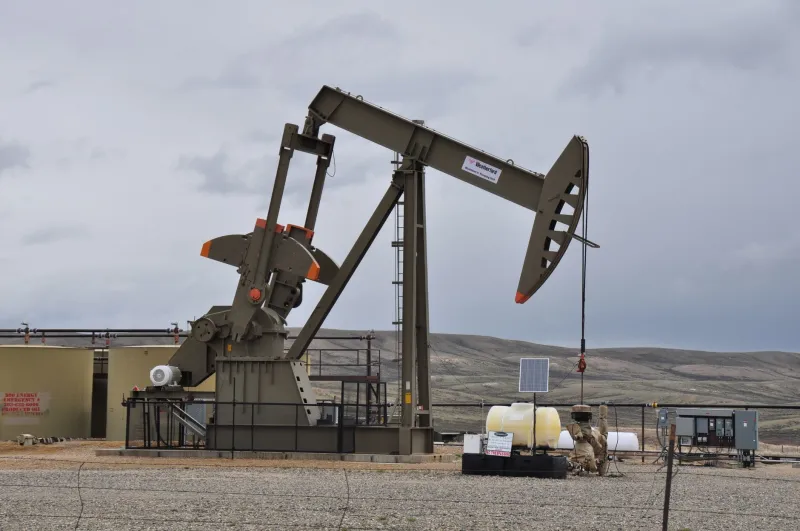
Photo: Galimatiasgg, CC0, via Wikimedia Commons
Numbers describe the Bakken. Towns live it. Behind every production chart is a school district that doubled in size and then didn't, a hotel that went from waiting list to vacancy in eighteen months, a main street that learned the hard way what a one-industry economy really means.
Five communities, each with a different response to the same forces, tell the story better than any dataset.
Williston: Building for Ten Thousand Who Left
Williston was the boom's capital, and it absorbed the bust's largest bill. Apartments built at premium rents during the peak saw occupancy collapse; the city spent the following years right-sizing a housing stock sized for a population that largely moved on. But Williston also invested—infrastructure, a rebuilt airport, workforce training—that left it structurally better positioned than before. The lesson: build for the downturn you expect, not the boom you're enjoying.
Watford City: The Long Game in the Middle of It
Watford City sat at the center of the play and chose permanence over extraction. School construction, healthcare expansion, and deliberate community investment turned a boomtown into something closer to an actual town. It hasn't been painless—debt, growth pains, and a still-oil-dependent tax base remain—but Watford City demonstrates that a community can spend boom revenue on becoming a place people stay.
Dickinson: The Quiet Diversifier
Dickinson leaned into higher education, healthcare, and regional services, giving it ballast the pure boomtowns lacked. When drilling activity swung, Dickinson wobbled less. Its experience argues that the best hedge against commodity cycles isn't a reserve fund—it's a second economic engine built before you need it.
Sidney, Montana: Small Town, Sharp Lesson
Sidney rode the eastern Montana edge of the play and felt the retreat acutely. Population losses and business closures followed the rigs out. But the town's agricultural base, never fully abandoned, provided a floor that pure energy towns didn't have. Sidney's story is a warning and a comfort: diversification you maintain beats diversification you scramble to create.
Parshall: Living on the Reservation Economy's Terms
Parshall, on the Fort Berthold Indian Reservation, illustrates a distinct reality—tribal sovereignty over mineral resources created both opportunity and complexity. Revenue from energy development funded tribal priorities, but the volatility underscored the need for institutions that can manage windfalls across generations, not just budget cycles.
What Operators and Investors Should Take From This
These towns are not cautionary tales about oil. They are case studies in what happens when a single industry's cycle dictates a community's entire trajectory. Operators who want long-term social license, investors who want durable returns, and policymakers who want resilient regions should read these five stories the same way: the towns that planned for the bust during the boom are the towns still standing tall.